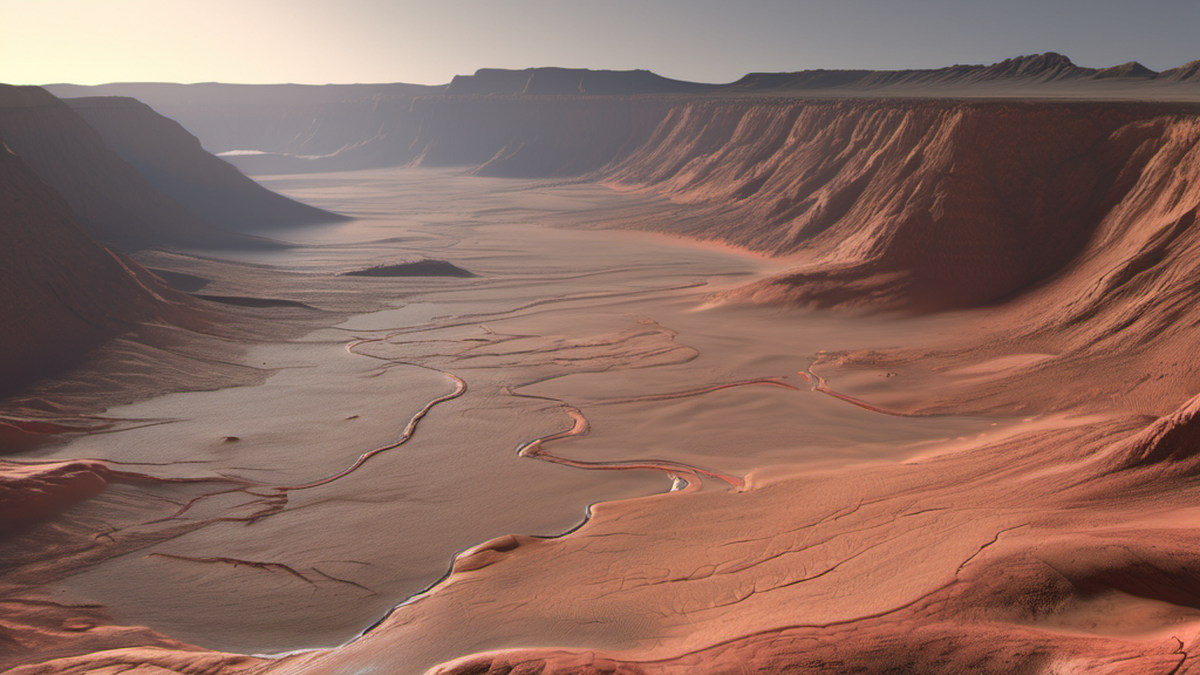
NASA’s Perseverance rover has uncovered a complex history of water interactions on Mars, particularly in the Jezero Crater.
Bottom Line
The verified reporting supports the source-specific details described above, while broader conclusions require additional verification.
How Did the Rover Analyze the Margin Unit?
The Perseverance rover used its SuperCam instrument to analyze mineral compositions in the Margin Unit, a geologic area along the shoreline of an ancient Martian lake. The SuperCam employs laser-induced breakdown spectroscopy to determine the chemical makeup of rocks by firing a laser at a distance and analyzing the resulting plasma spectrum.
These findings highlight the dynamic geological processes that shaped Mars’ surface.
What Role Do Carbonate and Silica Minerals Play?
On Earth, these minerals often form in environments that may support life, such as shallow lakes or oceans.
The presence of carbonate minerals indicates that water interacted with olivine, a magnesium-iron silicate, releasing hydrogen—a potential food source for some microbes. Silica, another byproduct of water-rock interactions, further supports the idea that liquid water once flowed through the region.
What Uncertainties Remain in Interpreting the Data?
While the findings are groundbreaking, some uncertainties remain. Additionally, the connection between these minerals and past life remains speculative without further evidence.
Scientists continue to analyze the data to refine models of Martian climate history and assess the planet’s potential for past habitability.
How Do These Findings Impact Future Mars Exploration?
They refine our understanding of Martian climate history and inform strategies for searching for life in other regions of the planet. Future missions may focus on areas with similar geological features, such as dried-up riverbeds or polar ice caps, to further investigate the potential for past habitability.
Verified Source Evidence
Verified source excerpt from verified source material:
When NASA’s Perseverance rover reached the inner edge of Mars’ Jezero Crater in September 2023, mission scientists were surprised by what they found. Called the “Margin Unit,” the geologic area stretches along the shoreline of an ancient Martian lake, so they expected sedimentary rocks, which would have formed as layers of sand piled on top of each other over millennia. Composed of clay and silt, sedimentary rocks on Earth are good at preserving past microbial life. The scientists were especially
What Would Strengthen This Article
This article would be stronger with additional verified publisher body text, comparison across reliable sources describing the same core facts, and relevant primary or official material. Until then, the article remains limited to the verified article-body evidence currently available.
How To Read The Verified Excerpt
Readers can treat the verified excerpt as the center of the article. It supports a narrow explanation of what the source says, why the topic may need careful reading, and which questions remain open. Using it to confirm claims from headlines, snippets, summaries, social posts, unrelated articles, or unverified article leads would go beyond the current evidence.
This keeps the article useful without overstating the evidence. The article can explain the verified excerpt, identify the limits of the current source base, and show what additional reporting would be needed before stronger claims are made. Turning one verified excerpt into a broad conclusion about the full topic would exceed the source boundary.
How To Interpret The Findings
The verified source is most useful when its reported observations are kept separate from broader conclusions. Readers can distinguish what was directly described in the source from interpretations that would require additional reporting, comparison, or independent confirmation. This approach keeps the article informative while preserving the difference between measured findings, source-level explanations, and wider claims that are not yet established.
Source Licensing
- Source policy: NASA-MEDIA-USAGE-GUIDELINES (https://www.nasa.gov/nasa-brand-center/images-and-media/). NASA source material was used. The generated output is not attributed to the source organization. AI product attribution: Aurora AI. NASA review or permission is not implied.
Sources
1 independent organization · 1 source document. Links open the original material.